Bright, buttery, and delicately citrusy, these lemon meltaway cookies are the kind of treat that disappears almost the moment it touches your mouth. Soft, tender, and topped with a simple lemon icing, they strike that perfect balance between richness and freshness. If you love desserts that aren’t overly sweet but still feel indulgent, this is a recipe you’ll come back to again and again.
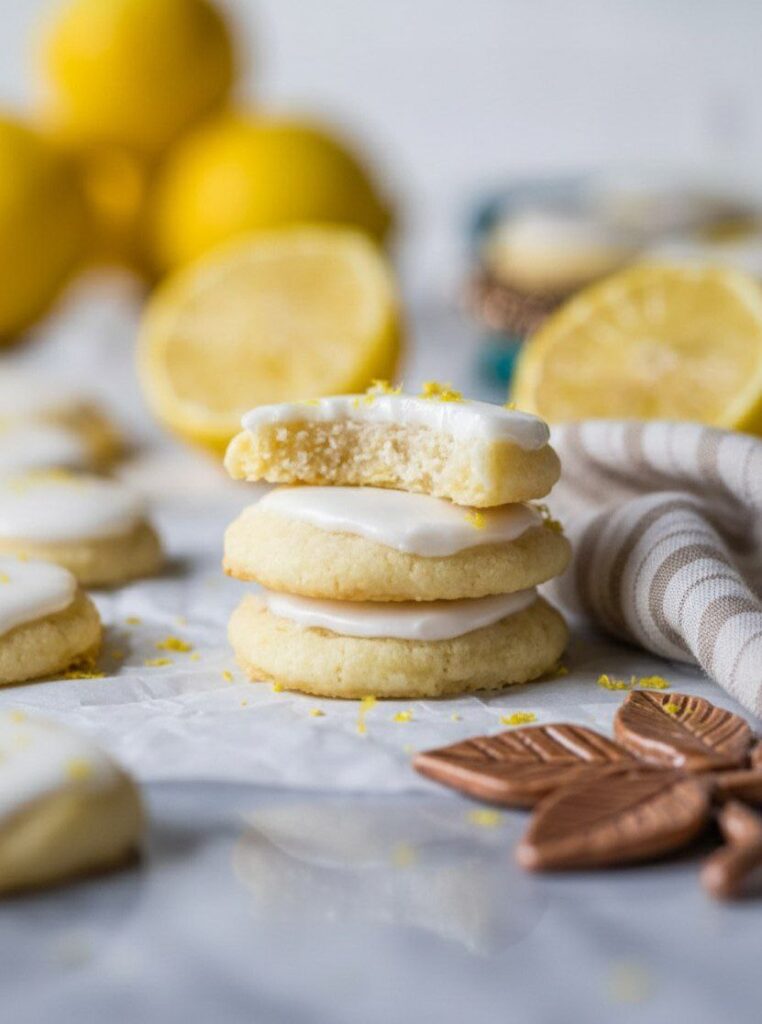
What makes these cookies especially appealing is their simplicity. They’re made with a very short list of everyday ingredients, yet the result feels refined and bakery-worthy. There’s no chilling time, no complicated techniques, and no fancy equipment required. Just a straightforward process that delivers consistently beautiful cookies with minimal effort.
Classic and Simple Lemon Meltaways
At their core, meltaway cookies are a type of shortbread. They rely heavily on butter for flavor and texture, and they’re designed to be soft rather than crunchy. The “meltaway” effect comes from a smart ingredient choice: cornstarch. When combined with flour, cornstarch lowers the protein content of the dough, which keeps gluten development to a minimum. The result is a cookie that’s exceptionally tender and almost creamy in texture.
Lemon is the star flavor here, and it’s used thoughtfully. Fresh zest perfumes the dough itself, while lemon juice is reserved for the icing. This layered approach ensures the citrus flavor is present but not sharp or overpowering. The cookies taste buttery first, lemony second, and sweet in a very balanced way.
Another advantage of this recipe is that it’s incredibly forgiving. Because the dough doesn’t need to be chilled, you can go from mixing bowl to oven in minutes. That makes these cookies ideal for last-minute baking, holiday trays, afternoon tea, or anytime you want a homemade dessert without a long time commitment.
Why Fresh Lemons Matter
Fresh lemons make a noticeable difference in both aroma and flavor. The zest contains natural oils that give the cookies their bright citrus scent, something bottled juice simply can’t replicate. When zesting, be sure to remove only the yellow outer layer of the peel and avoid the bitter white pith underneath.
It’s best to zest your lemons before juicing them, as whole lemons are much easier to handle. Depending on their size, you’ll typically need two lemons to get enough zest and juice for the full recipe.
A Short Ingredient List with Purpose
When a recipe uses so few ingredients, each one plays an important role. Butter provides richness and structure, sugar adds sweetness and helps with tenderness, and flour forms the base. Cornstarch is responsible for that signature melt-in-your-mouth texture, while salt sharpens the flavors and keeps the cookies from tasting flat.
One thing you’ll notice is the absence of vanilla extract. This is intentional. While vanilla is a staple in many baked goods, it can sometimes overshadow delicate fruit flavors. Leaving it out allows the lemon to shine clearly and cleanly.
How to Make the Dough
The process begins by creaming softened butter with granulated sugar and lemon zest. This step incorporates air into the mixture, which helps keep the cookies light. The mixture should look pale and fluffy before moving on.
In a separate bowl, the dry ingredients are whisked together to ensure even distribution. They’re then gradually mixed into the butter mixture until a soft, cohesive dough forms. The dough should be easy to handle and not sticky.
Once mixed, the dough is rolled into small balls. These cookies are meant to be petite—one or two bites each—so resist the urge to make them too large. Spacing them properly on the baking sheet allows them to bake evenly without spreading too much.
Baking and Shaping
These cookies bake quickly at a moderate temperature. You’re not looking for browning here; the tops should remain pale, which is key to maintaining their tender texture. As soon as they come out of the oven, they’re gently flattened with the bottom of a glass or measuring cup. This step creates a smooth surface for the icing and slightly compresses the crumb, enhancing that soft, delicate bite.
After flattening, the cookies need time to cool completely before icing. This ensures the glaze sets properly and doesn’t melt into the cookie.
The Lemon Icing That Brings Everything Together
While the cookies themselves are tender and buttery, the lemon icing is what truly completes them. It adds a bright finish, a touch of sweetness, and an extra burst of citrus flavor that makes these cookies memorable. The icing is intentionally simple, made with just powdered sugar and freshly squeezed lemon juice, yet it transforms the cookies into something special.
The key to a good icing is consistency. You want it thick enough to sit on top of the cookie without running off the edges, but fluid enough to spread easily with the back of a spoon. When whisked properly, the glaze should fall back into the bowl in a ribbon and briefly hold its shape before slowly disappearing.
Once the cookies are fully cooled, a small spoonful of icing is added to each one and gently spread across the surface. A light sprinkle of lemon zest on top is optional, but it adds visual appeal and reinforces the citrus aroma. After glazing, allow the cookies to rest until the icing is set before serving or storing.
Texture, Flavor, and What to Expect
These cookies are not crisp or crunchy. Instead, they are soft, delicate, and almost creamy in texture. The cornstarch plays a major role here, giving the cookies that signature meltaway quality. When you bite into one, it breaks apart effortlessly and seems to dissolve on your tongue.
Flavor-wise, the lemon is present but balanced. The cookies themselves are subtly citrusy, while the icing delivers a brighter, more pronounced lemon note. Together, they create a dessert that feels light and refreshing, even though it’s rich with butter.
Storage and Make-Ahead Tips
Once the icing has fully set, these cookies store well in an airtight container at room temperature. They’ll stay fresh for several days without drying out, making them a great option for baking ahead of time.
If you want to prepare them in advance, the cookies can be baked and cooled a day before glazing. Simply store them unglazed in an airtight container, then add the icing closer to serving time for the best appearance and texture.
Common Questions
Can these cookies be frozen?
Yes, the unglazed cookies freeze well. Allow them to cool completely, then place them in a freezer-safe container with layers of parchment paper between them. When ready to use, thaw at room temperature and add the icing fresh.
Why are they called meltaway cookies?
The name comes from their unique texture. Thanks to the combination of butter and cornstarch, the cookies are exceptionally tender and seem to melt as you eat them.
Can this base be used for other citrus flavors?
Absolutely. While lemon is classic, orange or lime zest can be used for a different variation. Just be sure to pair the zest and juice from the same fruit for a cohesive flavor.
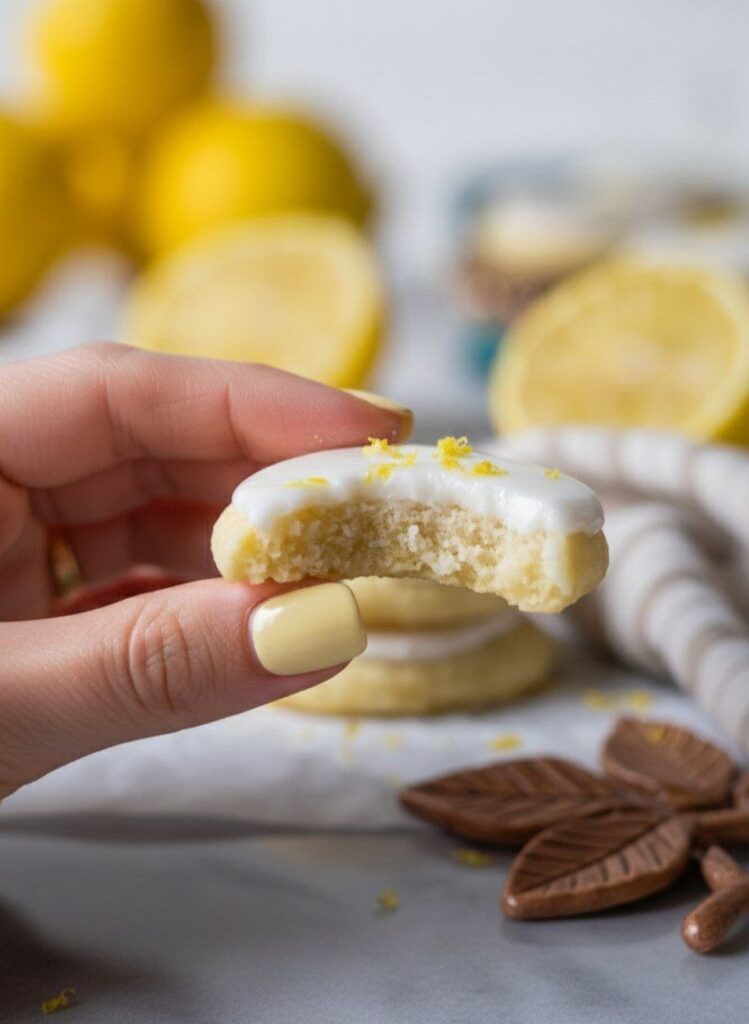

Lemon Meltaway Cookies That Truly Dissolve on Your Tongue
Ingredients
For the Cookies
1 cup (226 g) unsalted butter, softened
3/4 cup (150 g) granulated sugar
2 tablespoons fresh lemon zest
2 cups (250 g) all-purpose flour
2 tablespoons cornstarch
1/2 teaspoon salt
For the Lemon Icing
1 3/4 cups (220 g) powdered sugar
2 tablespoons fresh lemon juice
Lemon zest, for garnish (optional)
Instructions
- Preheat the oven to 350°F (175°C). Line a baking sheet with parchment paper and set aside.
- In a large bowl, cream the softened butter, granulated sugar, and lemon zest until light and fluffy.
- In a separate bowl, whisk together the flour, cornstarch, and salt.
- Gradually add the dry ingredients to the butter mixture, mixing just until a soft dough forms.
- Scoop the dough into tablespoon-sized portions and roll gently into smooth balls. Place them on the prepared baking sheet, leaving space between each cookie.
- Bake for 8–10 minutes, just until the cookies are set but not browned.
- Immediately after removing from the oven, gently flatten each cookie with the bottom of a glass or measuring cup. Allow the cookies to cool completely.
- To make the icing, whisk together the powdered sugar and lemon juice until smooth and slightly thick.
- Spoon a small amount of icing onto each cooled cookie and spread evenly. Garnish with lemon zest if desired.
- Let the icing set before serving or storing.
Notes
- Measure flour carefully to avoid a dry or crumbly dough.
- Use fresh lemons for the best flavor; bottled juice will not provide the same brightness.
- If the icing is too thick, add a few drops of lemon juice. If it’s too thin, add more powdered sugar gradually.
- Store cookies in an airtight container at room temperature for up to 5 days.

I’m a passionate home cook sharing easy, flavorful recipes inspired by my roots and travels — bringing a splash of joy and global taste to every family meal.